
From Nannies to Networks: How the Internet is Raising the Next Generation

Every generation is shaped by the external world. From baby boomers to millennials, an individual’s age and experience is one of the most predictable causes of differences in attitudes and personalities. In the WWII age, optimism, a competitive spirit, and strong work ethics ran rampant in the height of post-war prosperity. Later on, Generation X taught us that, “girls just want to have fun,” and their “latch-key kid” upbringing celebrated individuality as well as adaptability. Fast forward to our newly acquainted Generation Alpha. We don’t quite know exactly what events will characterize the world’s newest cohort, but it’s clear that these hyper-connected digital natives have one thing that past generations don’t: the internet at their fingertips.
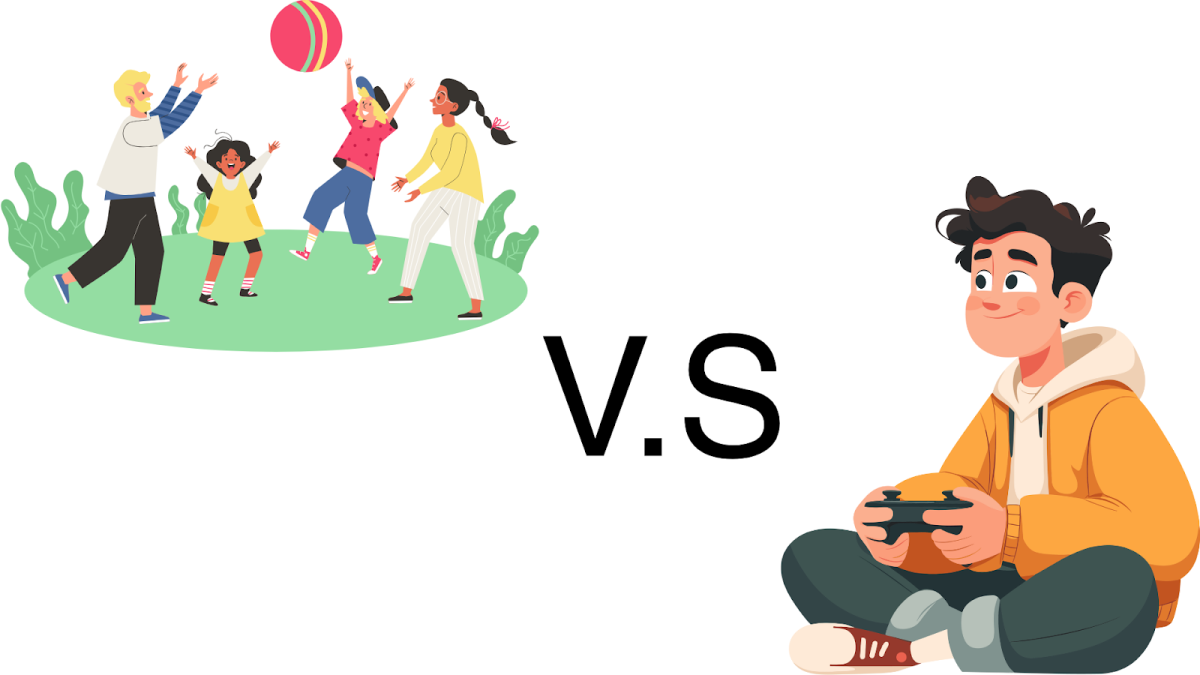
For a majority of the 20th century, childhood was defined in a majorly different way. Being a kid meant the world was confined by the streetlights, the neighborhood’s last bend and whatever time dinner rang out.
Though seemingly old school to the Gen Z and Gen Alpha readers, children spent hours outside unsupervised, negotiating, and solving conflicts face-to-face while building social skills through trial and error.
This is what development researchers call Free Range Parenting, or a parenting style that involves granting children increased independence and decision making activities. Free range children are expected to develop the necessary tools of self-reliance and personal responsibility, which some believe is what sets children up for the rest of their adult lives.
Sage Creek’s school physiologist, Boe Beckman discusses how free range parenting impacted the psyche of the older generations.
“Free-range parenting gave many generations independence and resilience, but it also meant children learned to self-regulate without much emotional guidance.” Beckman said. “For some, that freedom built confidence.”
So when did parenting spark from fear? When did society decide that coming home once the streetlights turn on, and allowing camping trips with the neighborhood crew is considered neglect?
The answer comes from the internet itself, risk is more visible than it was 50 years ago. Red flags once generated from friends and neighbors are broadcast over every screen possible.
Dangers in early childhood were thought to be linked to physical spaces, and they still are, but is that the full truth?
Yes, keeping children home at the watchful eye of a parent may eliminate some of the dangers experienced by our parents’ childhoods, but kids now live in a digital environment that is almost impossible for parents to oversee.
When considering the dangers of the internet, as well as its innate ability to parent the children of the world more accessible than ever before, algorithmic data is arguably the most important place to start. Algorithms across different apps and platforms track the behavior of its users and curate a personalized digital experience that is carefully curated to maximize program usage.
Algorithms have become the heart of every social media platform developed, and they don’t just help their audience engage, they shape the way we think, speak and act. The informative nonfiction, The Anxious Generation, goes off of this idea, as author Johnathon Haidt refers to algorithms.
“In a real-life social setting, it takes a while—often weeks—to get a good sense for what the most common behaviors are… but [algorithms] can shape an adolescent’s mental models of acceptable behavior in a matter of hours,” Haidt explains.
This is dangerous because adolescents are among the most impressionable age group, with some researchers comparing their brains to that of wet cement. This makes teenagers extremely susceptible to behavioral and psychological undertones exerted by algorithms.
So how does this replace jobs as parents? Well, the answer is simple. Algorithms tend to reinforce a narrow funnel of viewpoints and echo chambers. Children and teenagers are no longer going through the steps of “finding themselves”, the internet finds our internal monologues for us. As risks of the 21st century come in, parents have moved away from fostering childlike autonomy subconsciously, focusing more on keeping children safe in the digital age.
This unknowingly gives algorithms the perfect opportunity to step and mold that wet cement looking for a purpose.
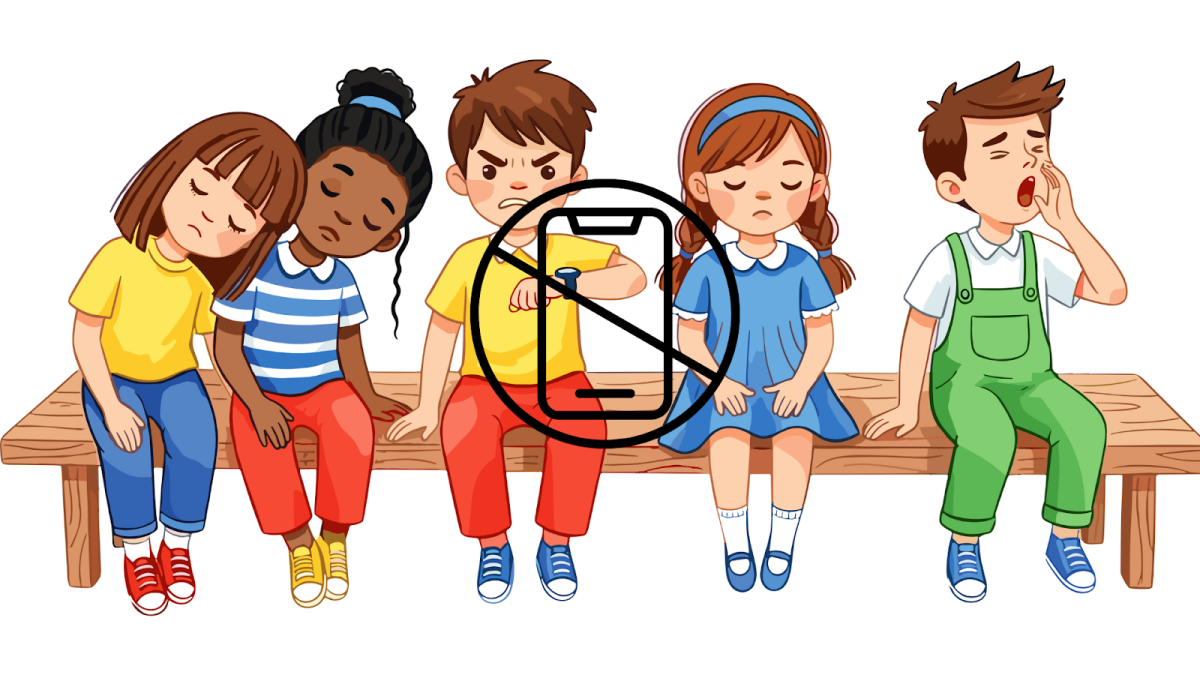
What comes with these algorithms is a side effect: attention deficit. Researchers are calling this phenomenon the attention economy, or a system where companies compete to capture and hold your attention for as long as it can, because that same focus is what brings in the big bucks. The attention economy thrives on capturing and monetizing users’ focus, and for children, this often means platforms are interested in solely keeping them scrolling.
A Pew Research Center study found that nearly 60% of U.S. teens report using TikTok daily, with similar habits seen across YouTube and Instagram. This constant cutting of exposure into bite-sized pieces, subconsciously trains the brain into not being able to handle more than a couple minutes of information at one time.
Presten Rogow, a Sophomore at Sage Creek, discusses the pressure he undergoes when trying to manage schoolwork, and socialization online.
“It’s really hard to keep my phone by me when I’m trying to focus on something.” Rogow said. “I have to literally give my devices to my parents when finals roll around.”
This means that kids are growing up in a world where every turn is curated to capture their every glance and look. Every swipe, every notification, every “ping”, is carefully designed to train children to seek immediate stimulation, which leaves little to no room for garnering self-sufficiency and decision-making. “Boredom”, arguably one of the most important facets of a child’s life, is a thing of the past.
This turns the internet into a very powerful teacher. By constantly guiding what it wants children to see, setting them up for the next act of stimulation, and controlling their attention spans, technology is slowly stepping into the driver’s seat. The internet is stepping into the parental driving seat, raising children on design instead of intention.
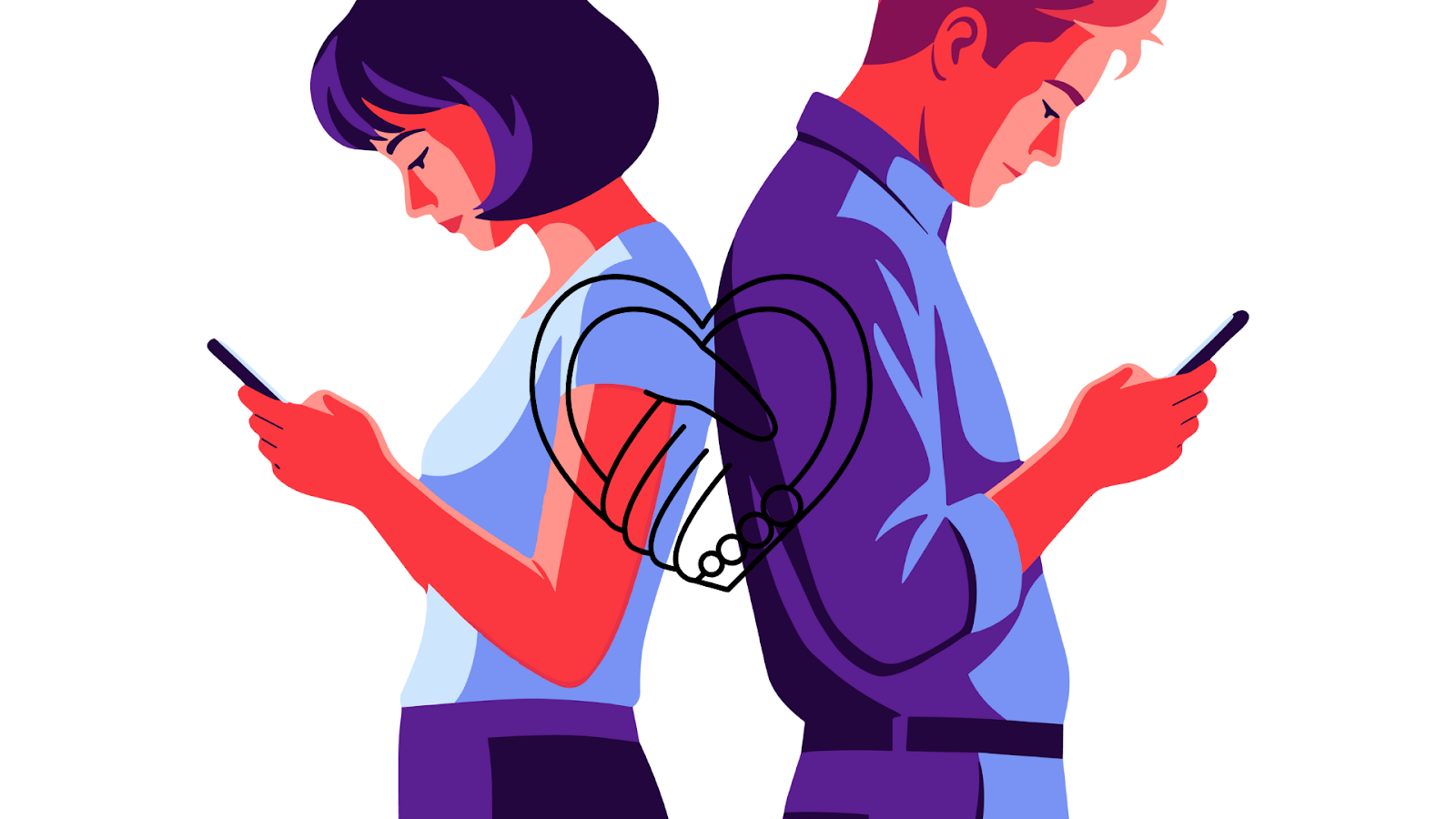
To switch gears, doomscrolling and the algorithms of the internet aren’t the only prominent risks of taking out parenting altogether, it’s also the idea of online socialization. From loss of anonymity to financial cons, young people are at a major risk of encountering online dangers through social media and the internet.
The Loneliness Pandemic on the rise. This new idea represents an influx of gaps between the social experiences you would like to have, and those in which you are actually having. In this distance, and as it widens, it opens the door for mental health strain. In these moments, at a time where a parent or trusted adult once filled the liminal space of loneliness, the internet steps in. Given this increase in mental health strain, it’s important to understand how real people, and even chatbots, are taking advantage of children.
Ranya Jafry, a senior at Sage Creek, mentions how the early access of social media in her life affected how she sees her socialization.
“FOMO [fear of missing out] is absolutely a real crisis.” Ranya says. “Seeing friends hanging out online, and understanding that I’m not there to experience those memories, is really hard.”
It’s not uncommon for adults to initiate friendships online, but studies have shown that 57% of teenagers and adolescents have more online relationships than real life ones. This shift isn’t merely just a statistic though, it’s evidence of a cultural handoff from one generation to the next. Instead of learning social nuance and coping mechanisms through face to face interactions, children are introduced to communication, trust and definition strategies through the internet, and sometimes strangers with unclear intentions.
When the majority of a child’s emotional and social input is being transferred directly from a screen, it’s not just an influence, it’s more than that. It’s an institution that is raising Generation Alpha.
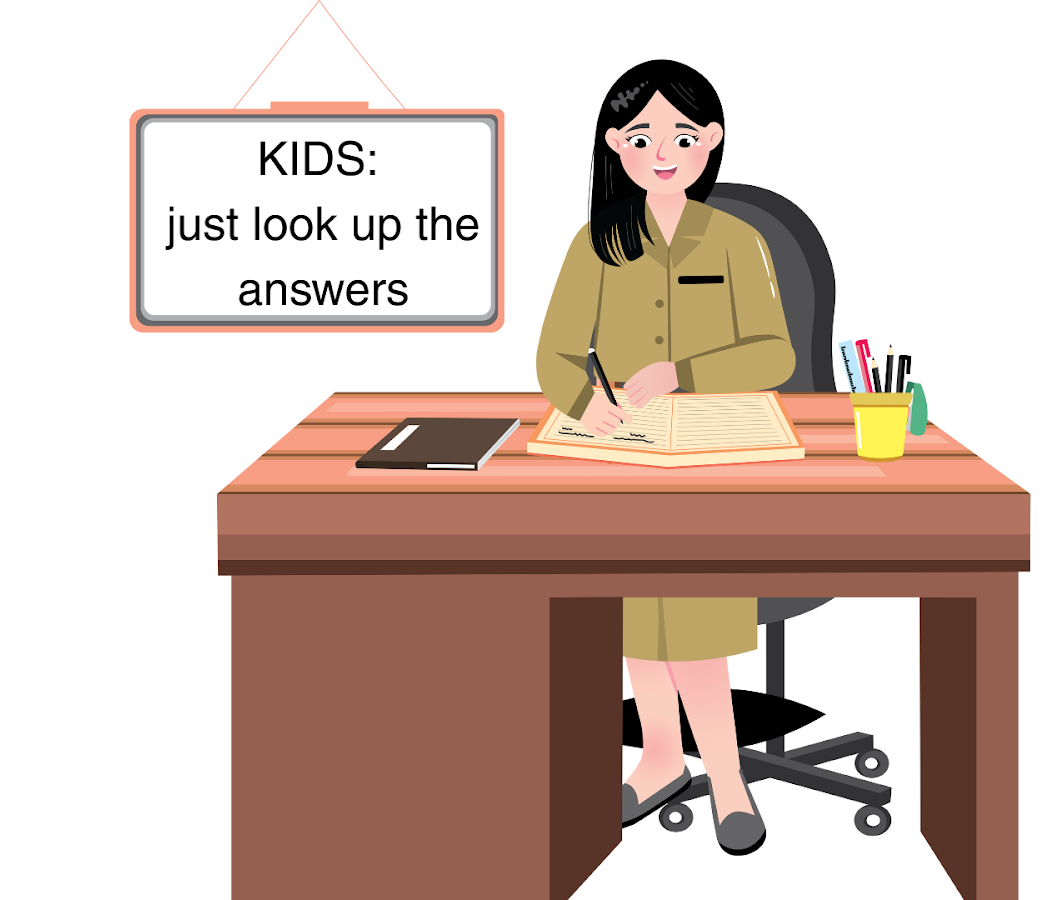
If the internet is increasingly responsible for shaping children’s emotional and social development, it’s also beginning to fill another role once set aside for parents, teachers and mentors: the role of an educator.
What started as a tool for homework help has transformed into a primary source of information and the first responder to questions about a child’s worldwide view. Platforms like Youtube, Reddit, TikTok and AI chatbots are replacing classroom learning little by little.
Children aren’t simply learning on the internet, the internet is teaching. Internet learning systems, specifically those manufactured through artificial intelligence or algorithms, cause bias primarily because they learn from data that reflect existing human knowledge and societal prejudices.
A child looking up a video on American history isn’t just simply watching a video, they’re absorbing the tone, bias and perspective of whoever the algorithm thought to be the most engaging. In this way, the internet doesn’t provide information, it curates the information to be the most engaging it can be, and most of the time, that doesn’t mean it’s factual.
Grant Hostrove, a researcher at the Macarthur foundation, delves into the framework of online education in his article, “Study Shows Time Spent Online Important for Teen Development”
“Kids learn on the Internet in a self-directed way, by looking around for information they are interested in, or connecting with others who can help them,” Hostove said.
Unlike a human teacher, the internet doesn’t check for nuance in information display, analysis readings or even accuracy. It teaches without context, without background, without experience at the hands of an actual educator. With this specific relational component missing, internet learning leaves out the most important part of education: why something matters, not just what that something is.
By replacing structured guidance with instant, algorithm-curated information, children aren’t encouraged to dig for the answers they want, and respond in a way that reflects their own culture and experiences. The quality, depth and context of what children are learning is increasingly diluted.
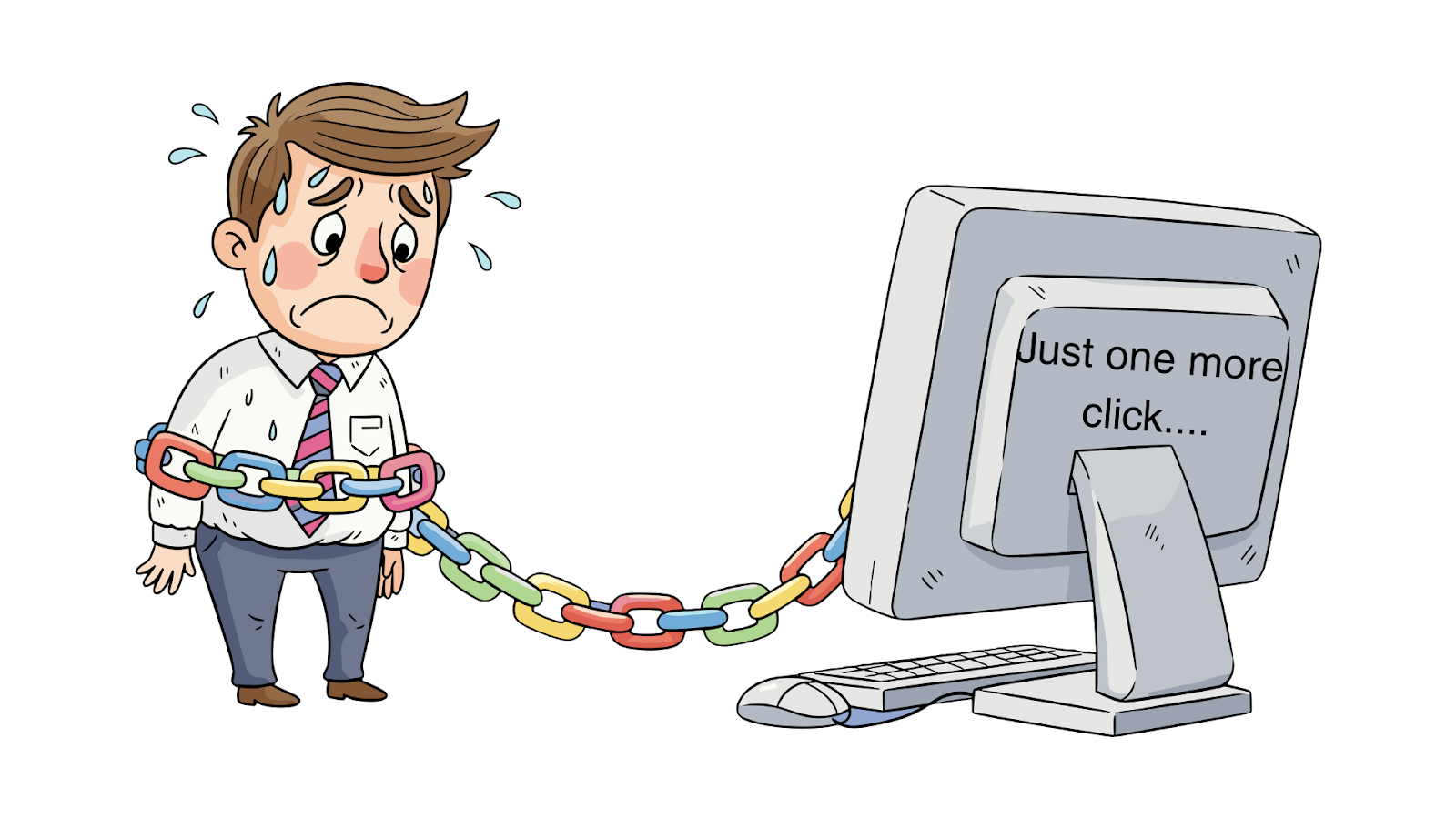
As the internet becomes a child’s sole teacher, then micro-content pipelines are its main lesson plans: highly curated, repetitive and often ideologically charged. These pipelines are built through repetitive viewing of short form content, such as Youtube videos or TikToks, where minors consume content in seconds rather than minutes. Since algorithms reward things like intensity, emotional punch and clear “sides”, children are being pushed to content that is anything but neutral. It’s designed to trigger, polarize or persuade.
In Netflix’s 2025 four-episode series, Adolescence, the pseudo-fictional documentary follows the Miller family, whose lives are blown apart when 13-year-old schoolboy Jamie is arrested in a dawn raid for killing a female classmate.
Though the story is fictionalized, it mirrors research regarding how quickly a child can be swept into algorithm, echo-driven chambers. In the series, Jamie’s increasingly harmful behavior stems from recommended videos that exploited domination, gender roles and social hierarchies in extreme ways. The point isn’t the action Jamie takes itself, though extremely brutal and devastating, but the pipeline leading to it. Jamie didn’t wake up with homicidal ideations, he was taught them.
The adults in his life had no part in shaping his world view, it was the internet.
And that’s the larger truth beneath both the research and dramatization, micro-content pipelines shape a child’s subconscious more directly than those of parents and mentor figures. These platforms are not passive tools, but actively driving forces that teach adolescents what to fear, what to trust, who to protect and who to hurt. In a world where the next “lesson” is always one swipe away, education is no longer guided primarily by human hands.
Digested all at once, these threads reveal a childhood that looks fundamentally different from the other generations that came before it. What used to unfold in living rooms, classrooms, backyards and neighborhoods now unfolds on screens, as they are personalized by system preferences. Doomscrolling shapes a worldview before one has even fully formed. Loneliness drives them into digital spaces that feel safer than real life. Socialization happens through profiles and algorithms instead of play. Education comes not from mentors but from micro-lessons delivered at the speed of a swipe. And belief systems are increasingly molded by pipelines of short-form content that reward extremity over nuance.